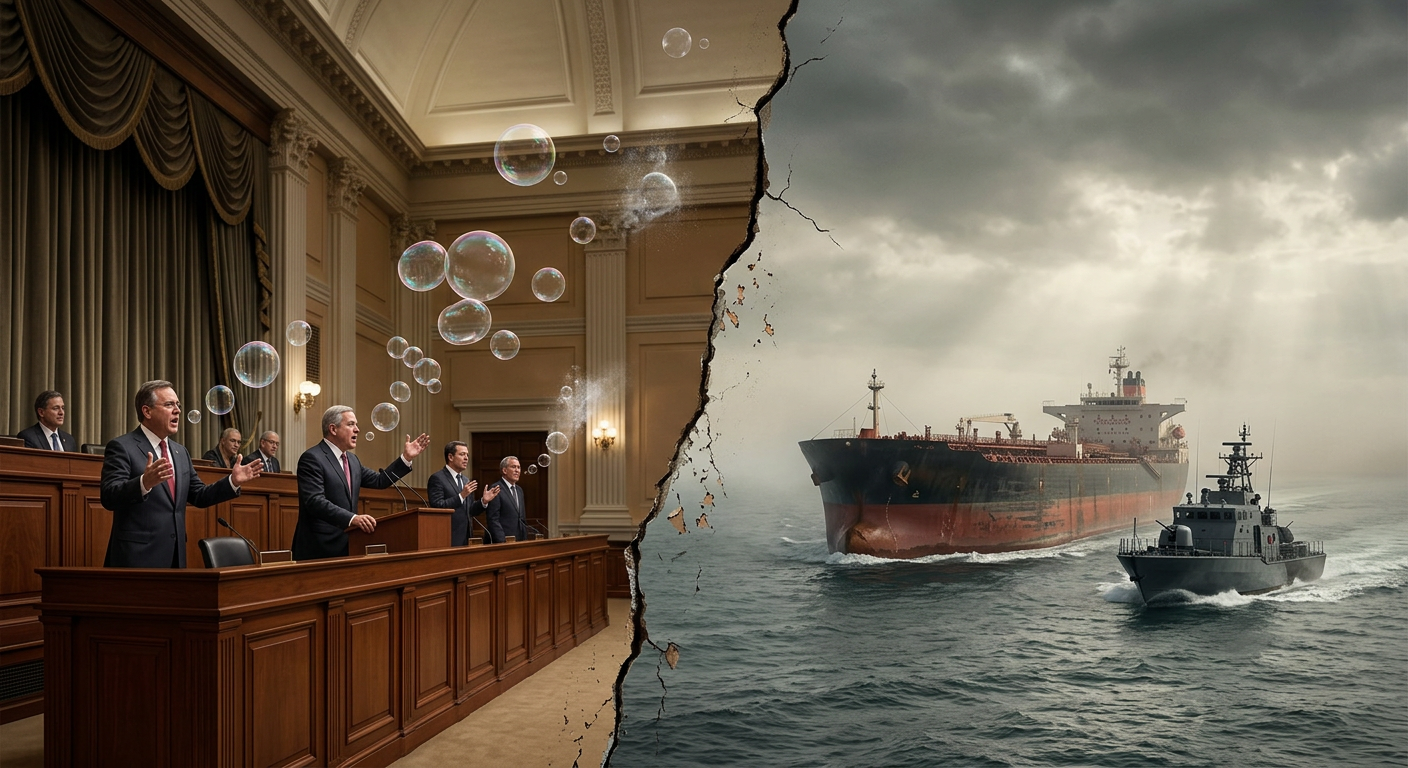
The dissonance between political declarations and on-the-ground reality in the Strait of Hormuz serves as a stark reminder of the inherent fragility of centralized crisis management. The situation truly illustrates Hormuz and the Limits of Statecraft in today’s geopolitical landscape. Notably, the impact of political decisions is evident throughout these events.
When political leaders announce the resolution of a conflict, markets and individuals often breathe a collective sigh of relief. Yet, the prudent observer knows that the gap between a bureaucratic proclamation and the restoration of voluntary cooperation is often wide and perilous. This weekend, we are witnessing a classic example of this disconnect in the ongoing tensions between the United States and Iran. The situation also demonstrates the challenge of Hormuz and the Limits of Statecraft. While the desire for peace is universal among productive individuals, the current diplomatic maneuvering reveals the severe limitations of attempting to engineer stability through top-down mandates rather than mutual interest. Time and again, the impact of political decisions in this volatile region becomes apparent to all participants.
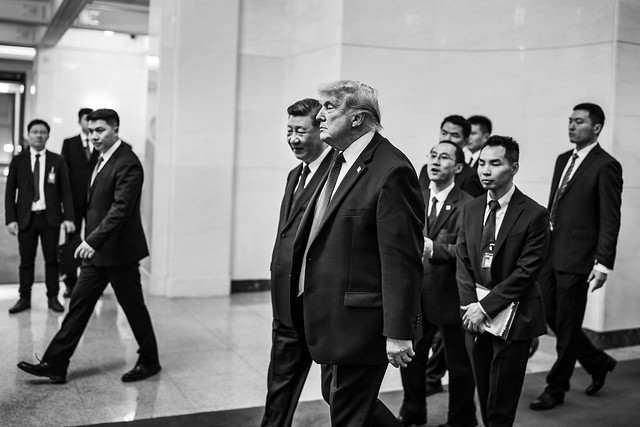
The situation unfolding this Saturday evening perfectly illustrates the “knowledge problem” described by F.A. Hayek. That is, the inability of central planners to possess the fragmented, localized information necessary to effectively order society. According to a report by CBS News, President Trump expressed significant optimism earlier today, stating that negotiators were “getting a lot closer” to a deal that would include the full reopening of the Strait of Hormuz. For the global economy, which relied on this waterway for 20% of its oil transit prior to the war, such an announcement should theoretically signal a return to normalcy. However, this is yet another demonstration of Hormuz and the Limits of Statecraft in practice.
However, the reality of state intervention is rarely so tidy. Almost immediately following the President’s assertion, the Iranian regime issued a sharp contradiction. State-controlled media in Tehran disputed the U.S. narrative, asserting that control over the waterway would remain firmly in Iranian hands. They also rejected the characterization of “free passage” as it existed before the conflict. This immediate rebuttal highlights a critical flaw in statecraft: diplomatic agreements are often treated as reality by politicians before the underlying friction—the actual incentives and security concerns of the actors involved—has been resolved. A signed memorandum is not the same as the spontaneous order of safe passage that emerges from genuine peace. As a result, the impact of political decisions is felt well beyond the negotiation tables, affecting all those reliant on this strategic waterway.
The precarious nature of this “deal” is further underscored by the internal uncertainty within the administration itself. As documented in an exclusive interview published by Axios, President Trump privately admitted on Saturday that the outcome remains a “solid 50/50,” with a final decision on whether to sign the accord or resume hostilities expected by Sunday. This vacillation between a “good deal” and total escalation reveals the extreme volatility introduced when global trade relies on the whims of a few powerful individuals rather than the distributed stability of open markets. Moreover, Hormuz and the Limits of Statecraft are obvious when we see how easily negotiations are upended by political posturing and mistrust.
From a libertarian perspective, the lesson here is not merely about the specifics of foreign policy. It is also about the unintended consequences of replacing commerce with coercion. The closure of the Strait of Hormuz was not a market failure; it was a political failure, born of decades of interventionism, sanctions, and retaliatory measures that severed the natural bonds of trade. When goods cannot cross borders, soldiers often do. The attempt to force the Strait open through military blockades and brinkmanship has only served to make the passage more hazardous. Furthermore, this effort makes the price of energy more volatile for American consumers.
We must also consider the unseen costs of this diplomatic theatre. While negotiators haggle over the wording of a “Memorandum of Understanding,” the global shipping industry remains paralyzed by uncertainty. Insurance premiums skyrocket, supply chains fracture, and the average citizen pays the price at the pump. These are the ripples of centralized planning that go largely ignored in official press briefings. A true reopening of the Strait will not happen because a document is signed in a distant capital. Instead, it will happen when insurers and captains assess that the risk of state violence has sufficiently receded to allow for safe transit. It is under these circumstances that Hormuz and the Limits of Statecraft become especially clear to all stakeholders. In short, the impact of political decisions continues to be a determining factor in the region’s stability.
As we wait for the final decision expected Sunday, we should remain skeptical of any “solution” that relies on force rather than the restoration of commercial relationships. Peace that requires constant enforcement is not peace; it is merely a pause in aggression. Until the underlying approach shifts from coercive dominance to the encouragement of voluntary exchange, the Strait of Hormuz will remain a chokepoint not just for oil, but for the very idea of a free and stable world.
By: Al E Zee