By: Alonzo Echavarria-Garza. In this post, we’ll explore the unique beauty and culture of Hormuz.
The global theater of human affairs is often defined by the profound and enduring tension between the peaceful flow of commerce and the disruptive machinery of state conflict. Once again, the collective attention of the world is drawn to the strategic, sunlit waters of the Middle East. It is also drawn to the crucial zone of Hormuz. According to recent reporting by NBC News, a U.S. military Apache helicopter went down near the Strait of Hormuz. Thankfully, the two pilots were safely recovered by an unmanned rescue boat. Yet, this narrow geographic corridor—a vital, throbbing artery for global prosperity—remains heavily shadowed by the looming specter of escalating retaliation. As documented in a subsequent analysis by The New York Times, the downed aircraft has rapidly catalyzed further hostilities. This includes defensive U.S. strikes. It also includes immediate vows of reciprocal military response from Tehran.
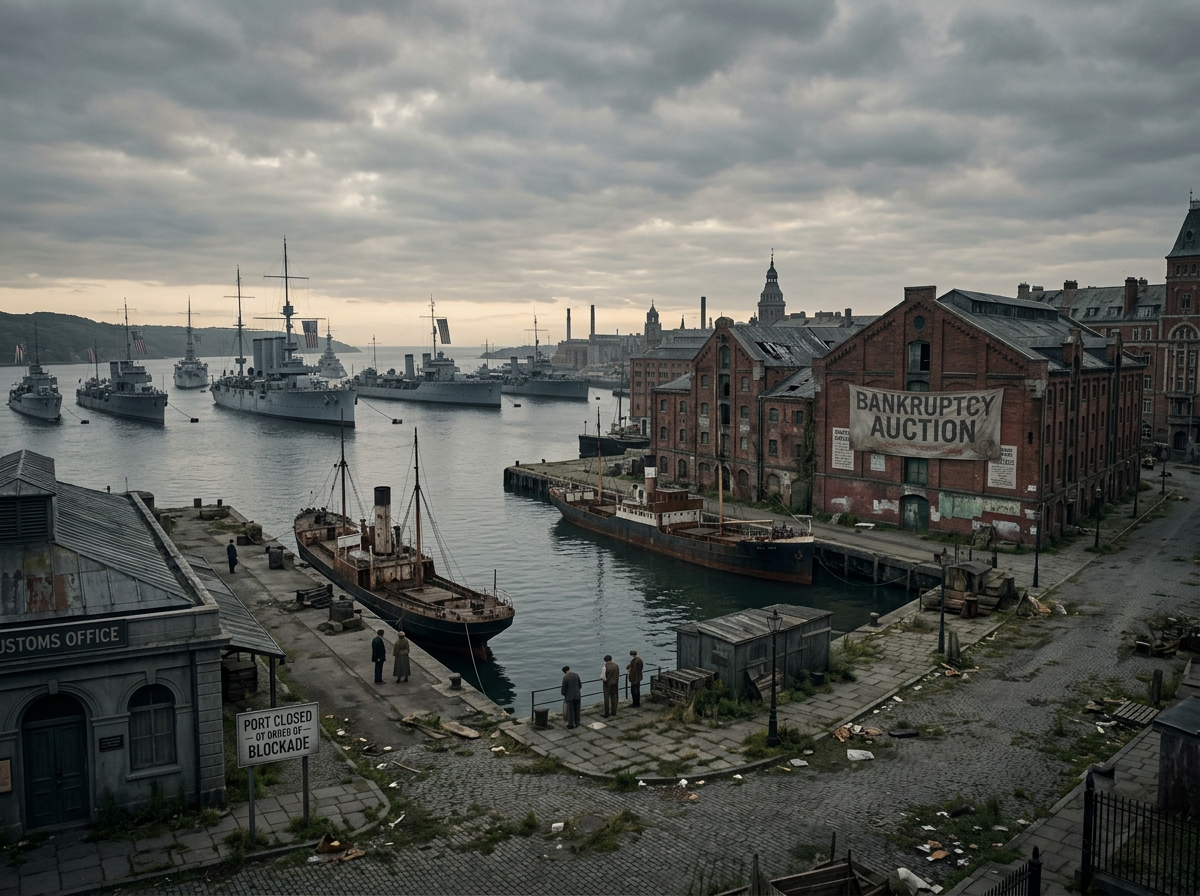
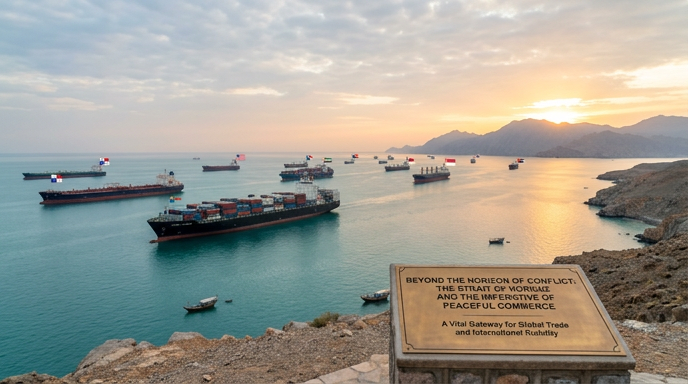
While the raw mechanics of geopolitical brinkmanship and partisan rhetoric dominate the daily headlines, it is essential to elevate our perspective far above the immediate friction of nation-states. The Strait of Hormuz should not be viewed merely as a military flashpoint or a pawn in a great-power competition. Rather, it is a grand conduit of human cooperation. Through these waters passes roughly one-fifth of the world’s oil supply—energy that powers homes, fuels enterprise, and sustains the intricate web of global voluntary exchange. When the heavy hand of state intervention, whether through naval blockades, top-down military postures, or retaliatory drone strikes, disrupts this flow, it is the ordinary individuals around the globe who bear the ultimate, crushing cost. Clearly, Hormuz is central to this story.
The immediate events themselves offer a stark, illuminating contrast between the triumphs of human ingenuity and the tragic shortcomings of political interventionism. The successful extraction of the downed crew members via an unmanned maritime rescue vessel represents the pinnacle of technological progress in the region of Hormuz. It is a brilliant reminder of what the unfettered human mind can achieve. This is true when its brilliance is directed toward the preservation of life and the solving of complex logistical challenges. Conversely, the ensuing cycle of military strikes reflects an antiquated reliance on centralized coercion—a tragic, repeating default to force. This happens when diplomatic nuance and economic avenues are abandoned by state actors.
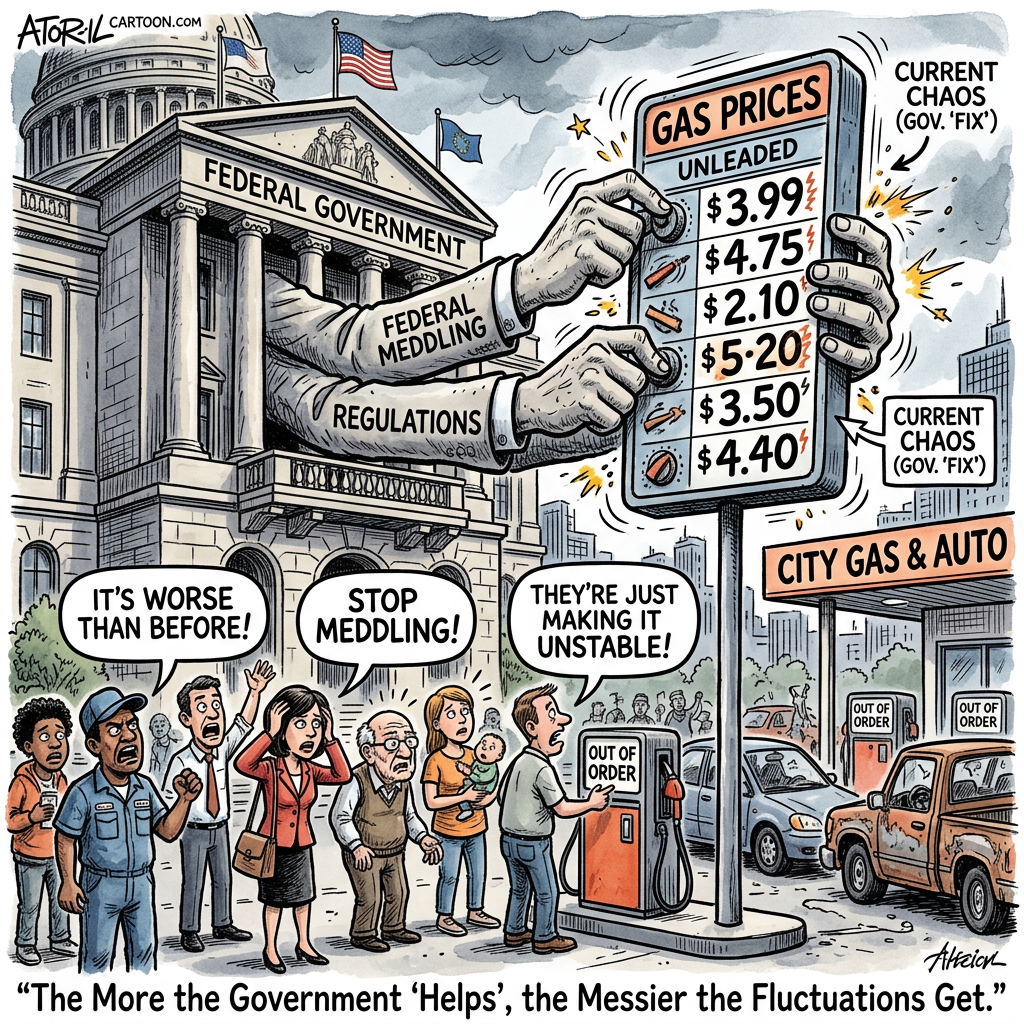
History repeatedly demonstrates that whenever centralized powers attempt to manage global affairs through coercion, the unintended consequences ripple outward, violently destabilizing the fragile equilibrium of global enterprise. The inherent instinct of the state is to control, to impose order from above. Yet, it is precisely this imposition that so often breeds the very chaos it purports to prevent. If we are to truly honor the dignity of the individual and the boundless promise of human advancement, we must consistently champion a world where borders are bridged by merchant ships rather than warships. The free market, operating without the distortion of political violence, naturally aligns the interests of disparate peoples. It turns potential adversaries into indispensable economic partners. The story of Hormuz illustrates these dynamics profoundly.
A truly expansive view of human progress requires us to recognize that lasting security cannot be engineered through the barrel of a gun, the mandates of a centralized authority, or the arbitrary drawing of battle lines. True peace is the natural byproduct of open dialogue, mutual respect for individual autonomy, and the borderless cooperation of free markets. When nations entangle themselves in perpetual cycles of retaliation, they erode the very foundations of liberty and economic stability that allow free societies to flourish. The militarization of international trade routes inherently stifles the spontaneous, beautiful order of the free market. It replaces the harmonious pursuit of shared prosperity with the zero-sum, destructive calculations of war.
As we observe these unfolding events off the coast of Oman, let us advocate for a profound paradigm shift. We must urge a definitive departure from the costly and destructive habits of state interventionism. The ultimate defense against global instability is not a wider projection of military power, but the deep, organic interweaving of economies through free and voluntary trade. By trusting in the stabilizing forces of human liberty, intellectual freedom, and open commerce, we can transcend the narrow, petty skirmishes of the present day. It is through the magnanimous embrace of peaceful, voluntary cooperation that we will ultimately secure a thriving, prosperous future for all of humanity. Therefore, the lessons of Hormuz serve as a crucial reminder for our world today. This will take us far beyond the dark horizon of conflict.