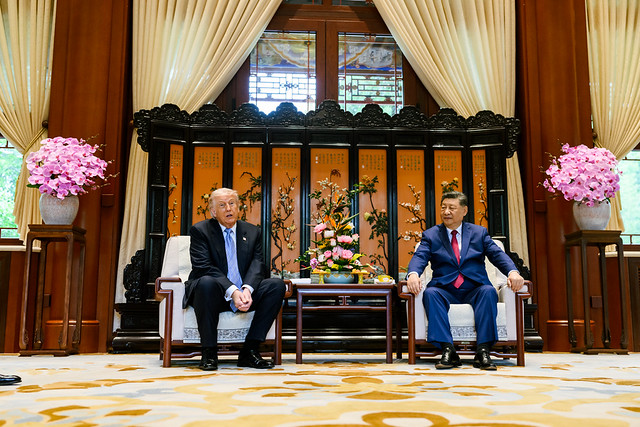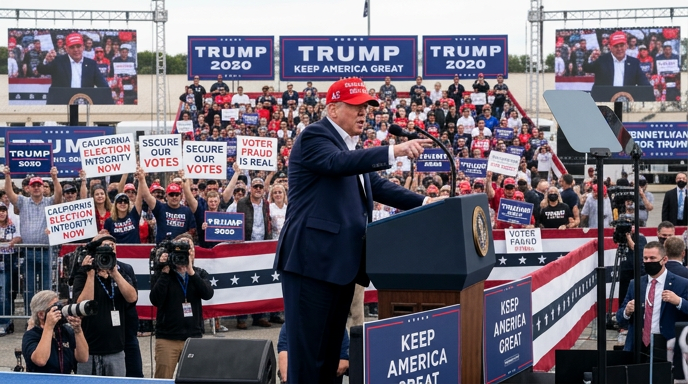
The Trump administration has found a novel, if entirely unconstitutional, way to wage war without the pesky interference of the American people or their elected representatives: simply declare the conflict over when the legal clock runs out, even if the troops are still deployed.
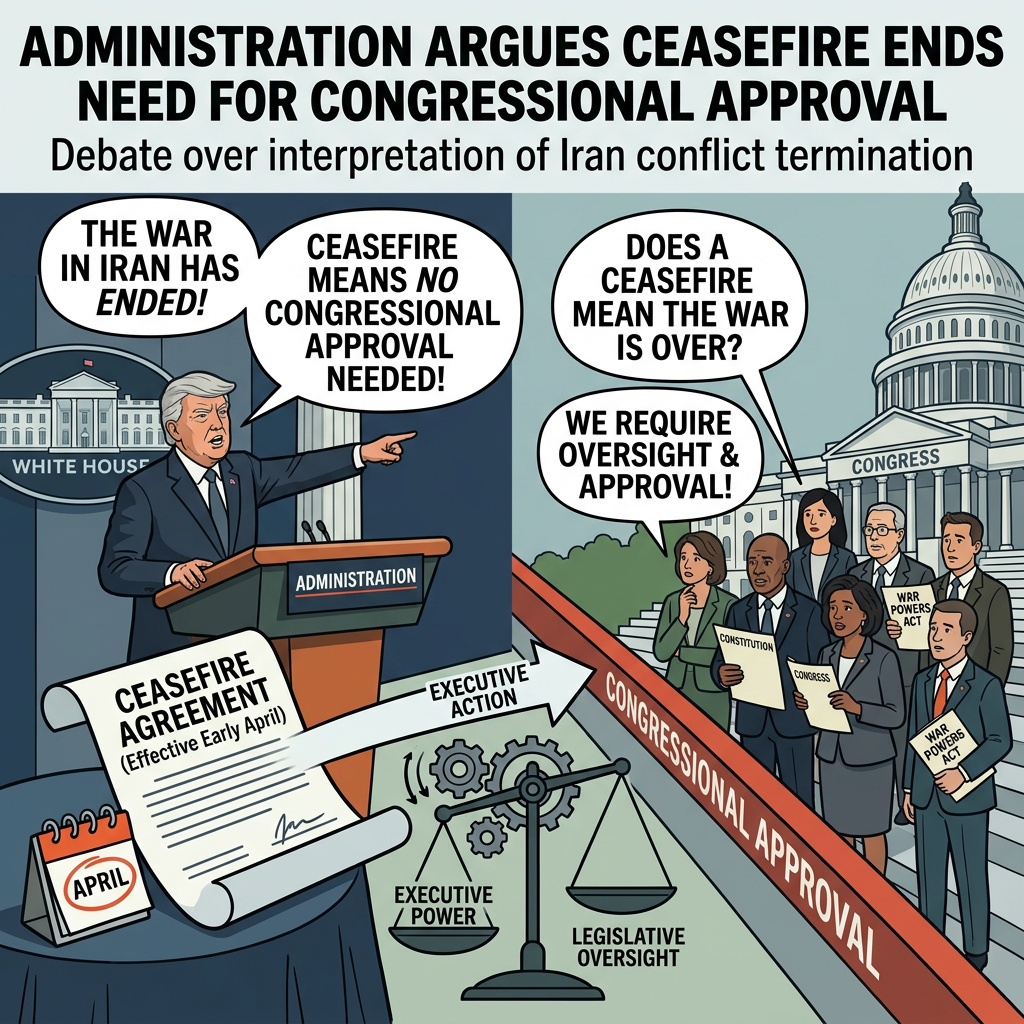
According to a recent Associated Press report, the White House is arguing that the current conflict in Iran has “already ended” due to a two-week ceasefire that began on April 7. By this dizzying logic, the administration claims it is exempt from the 1973 War Powers Resolution, which strictly requires the executive branch to seek formal congressional approval for any military action extending beyond 60 days.
Secretary of Defense Pete Hegseth laid out this rationale before the Senate earlier this week, arguing that the ceasefire effectively “paused” the war. Because the initial hostilities began on February 28, the administration was rapidly approaching the legal deadline to either secure an Authorization for Use of Military Force (AUMF) or withdraw. Instead of abiding by the law—or, better yet, the Constitution—a senior administration official insists that for the purposes of the 1973 law, “the hostilities… have terminated.” The guns may be quiet for a fortnight, but to claim the war is over is a semantic sleight of hand designed to bypass the legislative branch entirely.
From a libertarian perspective, this maneuver represents everything wrong with the modern imperial presidency. The Founding Fathers were explicitly clear about where the power to make war resides. Article I, Section 8 of the U.S. Constitution grants Congress—and Congress alone—the authority to declare war. James Madison famously warned that the executive branch is “the branch of power most interested in war, and most prone to it,” which is why the framers deliberately tethered the war machine to the legislative branch. By redefining a temporary lull in fighting as a termination of hostilities, the executive branch is unilaterally rewriting the rules of engagement to maintain a permanent state of unchecked intervention.
This situation also exposes the fatal flaw of the 1973 War Powers Resolution itself. Originally passed to rein in executive overreach after the disastrous, undeclared war in Vietnam, the Act has instead functioned as a 60-day blank check for presidents of both parties. It allows the Commander-in-Chief to launch military adventures without debate, provided they wrap it up or ask for permission within two months. Now, the administration is demonstrating how easily even this weak guardrail can be dismantled.
If a mere two-week ceasefire resets the clock, what prevents a president from waging a perpetual, rolling conflict, interspersed with convenient “pauses” just before the 60-day mark hits? Under this framework, a prolonged occupation could be justified as an endless series of 59-day micro-wars, effectively stripping the American taxpayer of any voice in foreign entanglements. It is a mockery of the rule of law.
Yet, the blame does not lie solely with the Oval Office or the Pentagon. The executive branch only usurps power because the legislative branch is all too eager to surrender it. For decades, Congress has actively abdicated its constitutional duty on foreign policy. Declaring war requires political courage; it requires putting one’s name on a vote that will send American sons and daughters into harm’s way, a vote that can be weaponized in the next election. By allowing the White House to rely on linguistic gymnastics to avoid a formal vote, Congress gets exactly what it wants: the ability to cheerlead when military action is popular, and the plausible deniability to criticize it when it fails, all without ever taking a binding stand.
Furthermore, this debate ignores the broader, more urgent question: What is the vital national security interest justifying American military entanglement in Iran in the first place? Libertarians have long warned that endless interventionism drains our treasury, endangers our servicemembers, and inflames regional tensions. A free society cannot remain free if it is perpetually managing conflicts abroad.
A ceasefire is not a peace treaty. A pause in the shooting is not a withdrawal. The administration’s attempt to claim that a temporary halt in fire legally terminates a war is a dangerous precedent that expands the already bloated powers of the presidency. If the United States is going to commit acts of war, the American people deserve a rigorous debate, and the Constitution demands a vote. Until Congress grows a spine and reclaims its Article I authority, the executive branch will continue to treat the Constitution not as the supreme law of the land, but as an obstacle to be bypassed with bureaucratic doublespeak.